
For those new to metal detecting, it is advisable to start with local parks or beaches. The likelihood of finding coins and jewelry is high in these areas. Many beginners have reported successful finds due to high foot traffic and lost items. Additionally, joining local metal detecting clubs can provide valuable insights and community support. Members often share tips about local hot spots and settings that work best in different environments. This collective knowledge aids in your learning process, helping you become more proficient with your metal detector. Moreover, participating in group hunts can lead to discovering significant finds, as experienced hunters share their techniques on the spot.
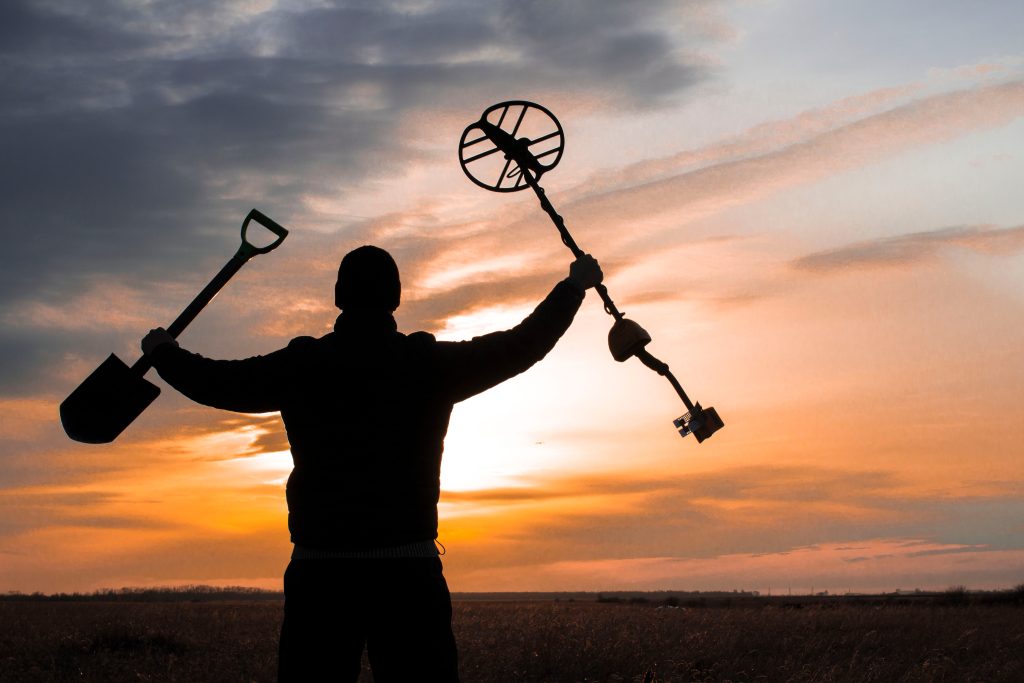
As you become more familiar with your metal detector, consider exploring challenging terrains.
Locations such as old battlefields, ghost towns, and historical sites often yield fascinating finds, including relics from the past.
However, it is essential to research local laws and permissions before hunting.
Engaging with historical societies can enhance your detecting experience.
Moreover, investing in additional accessories, such as a pinpointer, can significantly simplify your treasure hunting process. A pinpointer assists in locating items once you’ve dug a hole, allowing you to find your treasures with minimal effort. This tool is especially useful in areas with dense soil or debris, where it can be challenging to locate a specific target. Additionally, consider using a digging tool that is suitable for the type of ground you’ll be working in, whether it’s a simple trowel for softer soils or a more robust shovel for harder terrains.
They may provide information on significant historical locations and the types of items you might discover.
Never overlook the stories behind the finds; each piece of treasure has a history that adds to the excitement of metal detecting.
Understanding Your Metal Detector and Its Features
As you progress, remember to always be patient and persistent.
Success in metal detecting comes with practice and experience.
In addition to parks and beaches, consider searching in areas with historical significance. Many towns have old neighborhoods where people lived for generations. These places often yield interesting finds, such as old coins or jewelry lost over time. Furthermore, asking local residents about their experiences can provide additional insight into spots that are worth exploring. Some hunters even document their finds using a blog or social media, helping to build a community around metal detecting.
Engaging in online forums or social media groups dedicated to metal detecting can also be beneficial. These platforms allow you to connect with experienced hunters who can share their successes and failures. Learning from their experiences can help you avoid common mistakes and enable you to ask specific questions about techniques and tools. Additionally, many of these communities host contests and challenges that can inspire you to explore new locations and techniques.
Understanding the various features of your metal detector can greatly enhance your treasure hunting experience. For instance, many modern detectors come equipped with multiple frequency settings, allowing you to optimize your search for different types of metal. Researching which frequencies work best for the areas you plan to search can provide significant advantages. In addition, learning how to interpret the signals your detector provides can help you determine the depth and type of object below the surface. This knowledge will guide your digging efforts and save you time when searching.
Patience is a valuable trait in metal detecting. Often, treasure hunting can lead to a series of false signals or no finds at all. Understanding that not every outing will yield treasure is crucial. Instead, view each outing as an opportunity to practice your skills and refine your techniques. Celebrate the small successes, like mastering a new setting or successfully identifying a target. Over time, these small victories will contribute to your overall success and enjoyment of the hobby.
Finally, always remember to respect the environment and the locations you search. Following local laws regarding metal detecting is essential, as is practicing responsible metal detecting by filling in any holes you dig and respecting private property. By doing this, you contribute to the preservation of historical sites and ensure future generations can enjoy the thrill of discovering treasures with their metal detectors. Ultimately, the journey of metal detecting is as rewarding as the treasures you find, and with dedication and passion, you can unlock a world of history beneath your feet.
Lastly, always document your finds. Keeping a record of what you find, where you found it, and the conditions of the search can help you track your progress and improve your skills. This documentation can also serve as a great way to share your experiences with the community, whether through a blog, social media, or within your local metal detecting clubs. Sharing your achievements can inspire others and foster a sense of camaraderie among fellow enthusiasts.
As you master your skills and knowledge of your metal detector, the thrill of uncovering lost treasures will only grow. Embrace every adventure, and let the stories of the treasures you find inspire others in your treasure-hunting journey.
In conclusion, the art of using a metal detector effectively combines knowledge, patience, and passion. By applying tips and techniques outlined in this article, you’ll be well on your way to becoming a proficient treasure hunter. Remember, the world is full of hidden treasures waiting to be discovered, and your metal detector is the key that unlocks those secrets.
So gear up, head out, and start your adventure with a metal detector. Happy hunting!
Dialing in your metal detector is essential for maximizing your treasure-hunting experience. Fine-tuning settings like sensitivity and discrimination can help you filter out unwanted signals and hone in on valuable finds. Don’t forget to practice regularly; the more familiar you become with your detector, the more successful your hunts will be. So, get out there and enjoy the excitement of discovering what lies beneath the surface!
Summary
Dialing in your metal detector is essential for successful treasure hunting.
Fine-tuning settings like sensitivity, discrimination, ground balance, and threshold is crucial.
For instance, sensitivity adjustments can help you detect deeper targets.
If set too high, it may lead to false signals from trash and mineralization in the ground.
Discrimination helps you differentiate between valuable items and unwanted metals.
Ground balance settings help negate the effects of mineralized soil.
Understanding these settings enables you to accurately identify valuable finds such as coins, jewelry, and relics.
Additionally, consider practical examples of successful treasure hunters.
Many have found rare items by optimizing their equipment.
Stories of finding historic coins or antique jewelry demonstrate the value of a well-tuned metal detector.
Overall, investing time in learning how to dial in your machine, understanding its features, and connecting with the community can significantly enhance your treasure hunting success with your metal detector.
Dial in your machine with Tom Ashworth’s Recommended Detector Settings